BudoSeek
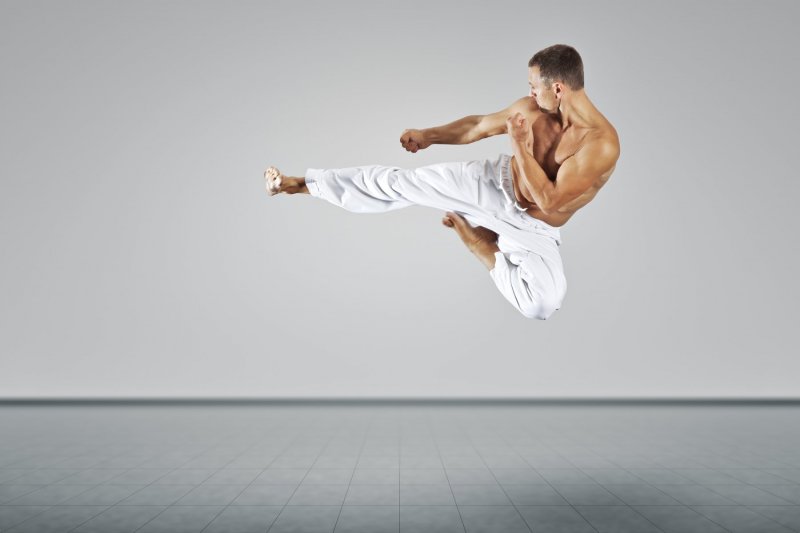
The Most Popular Martial Arts
There are actually over 170 different forms of martial arts, but most of them are somewhat obscure and unfamiliar. This blog will focus only on the most popular martial arts and provide fascinating articles written by industry experts. Readers can expect to learn about judo, karate, kickboxing, kung fu, and sumo wrestling. These martial arts originate from China and Japan, and this blog will delve into their interesting history and how they have actually evolved over the centuries. For those who wish to take the professional sports route, there will be plenty of helpful advice.
Kickboxing; the Hybrid Martial Art
23 Mar 2022
A combination of several martial arts, kickboxing is a high-intensity combat sport based primarily on punching and kicking. Originating in Japan in the 1950s, kickboxing incorporates elements of karate, boxing, and taekwondo. The sport’s global appeal has increased steadily since 1974 when the first world championship was held in Los Angeles.
Kung Fu; the Martial Art with a Spiritual Dimension
15 Feb 2022
Based on concentration and extreme self-discipline, kung fu is a form of unarmed combat that is closely related to both taekwondo and karate. Kung fu’s origins are said to date back to the Zhou Dynasty, which ruled mainland China between the 12th and 3rd centuries BC.
Sumo Wrestling; the Art of ‘Striking Each Other’
9 Jan 2022
Sumo, Japan's national sport, is a kind of wrestling in which two opponents attempt to push each other out of a ring with the use of overwhelming force. Sumo, which literally means 'striking each other,' features a number of ritual elements derived from Japan's Shinto religion.
Judo; the Art of Unarmed Combat
2 Dec 2021
The martial arts come in many shapes and forms, but judo is perhaps the most popular. Created in Japan in the 19th century by Jigoro Kano, judo is a system of unarmed combat, which, unlike most other martial arts, emphasizes free sparring (‘randori’) rather than pre-arranged forms (‘kata’).